Choosing between WordPress and custom website development is one of the first — and most important — decisions you will make for your business online. Both paths can deliver a fast, professional website, but they differ significantly in cost, flexibility, speed, and long-term maintenance. In this guide, we break down what each option really means, compare them side by side, and help you decide which one fits your business in 2026.
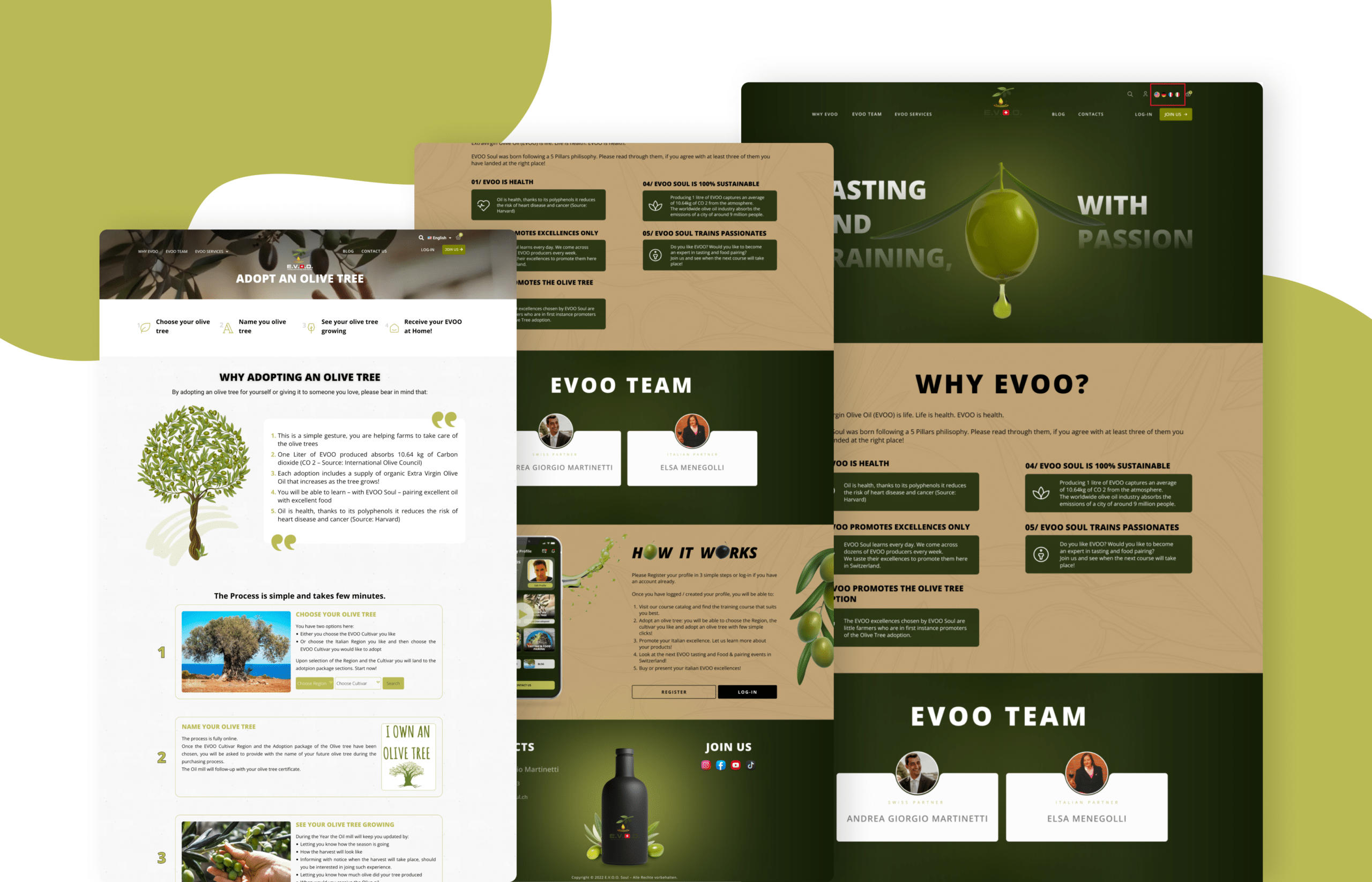
WordPress is the world’s most popular content management system (CMS), powering a huge share of all websites on the internet. With WordPress development, your site is built on the WordPress platform using themes and plugins. A professional WordPress developer customizes the design, extends functionality with plugins or custom code, and takes care of performance and security optimization.
The biggest advantage is ease of management: once the site is live, you can add pages, publish blog posts, and manage products yourself — no coding required. WordPress is ideal for businesses that want a professional website with an easy-to-use backend and a fast launch.
Custom website development means building your site from the ground up with code — no CMS, no pre-built theme. Modern custom builds typically use JavaScript frameworks and libraries such as React or Next.js on the frontend, and a MERN stack (MongoDB, Express.js, React, Node.js) when the project needs a database, user accounts, or a full application backend.
Every pixel and every interaction is purpose-built for your business. Custom development gives you complete control over performance, design, and functionality — at the cost of longer build times and the need for developer support whenever changes are required.
Cost is often the deciding factor, so let’s look at approximate market ranges. Please note these are approximate figures — actual quotes depend on project scope, region, and the agency or developer you hire.
In short: WordPress usually costs less upfront and is cheaper to maintain, while custom development is a bigger investment that pays off when you need something WordPress cannot easily deliver.
Both options can be fast — performance depends more on implementation than on the platform itself. A well-optimized WordPress site with quality hosting, caching, and optimized images can load in under two seconds. However, WordPress sites can slow down when overloaded with too many plugins or a heavy theme.
Custom-built sites, especially those using Next.js, have a natural advantage: they ship only the code they need, with no plugin overhead. If raw speed and top Core Web Vitals scores are critical — for example, for high-traffic landing pages or interactive web apps — custom development often wins. For most business websites, though, a properly optimized WordPress build is more than fast enough.
WordPress is flexible within its ecosystem: thousands of plugins cover e-commerce, bookings, memberships, multilingual content, and more. But when you need functionality that doesn’t fit the plugin model — a custom dashboard, real-time features, or complex user roles — you can hit limits, and workarounds quickly get expensive.
Custom development has no such ceiling. With React or Next.js on the frontend and a MERN backend, you can build exactly what your business needs and scale it as you grow. The trade-off is that every feature must be designed and coded from scratch, which takes time and budget.
WordPress shines for day-to-day management. Its dashboard lets non-technical team members publish content, update pages, and manage products with ease. Routine maintenance mostly means keeping WordPress core, themes, and plugins updated and backed up — tasks a maintenance plan or developer can handle for you.
Custom websites typically require developer involvement for most changes, since there is no admin panel unless one is built for you. If your team needs to update content frequently without developer help, WordPress is the more practical choice.
Both options can rank well on Google. WordPress has mature SEO plugins that handle meta tags, sitemaps, schema markup, and redirects with minimal effort. Custom sites need SEO implemented in code — but modern frameworks like Next.js offer excellent SEO support with server-side rendering, which helps search engines crawl JavaScript-heavy pages effectively. The deciding factor is execution: a well-optimized site on either platform can outperform a poorly built competitor.
Choose WordPress if:
Choose custom development with React, Next.js, or the MERN stack if:
Ask yourself these five questions:
If most of your answers point to content management and value, WordPress is likely the right choice. If they point to custom functionality and scale, custom development is the way to go.
There is no universal winner — only the right choice for your business. WordPress remains the smart, cost-effective choice for most business websites in 2026, while custom development with React, Next.js, or the MERN stack is the right investment when you need unique functionality and maximum performance.
Still unsure which path fits your goals? Contact us today — we will help you choose the right approach for your business and budget.