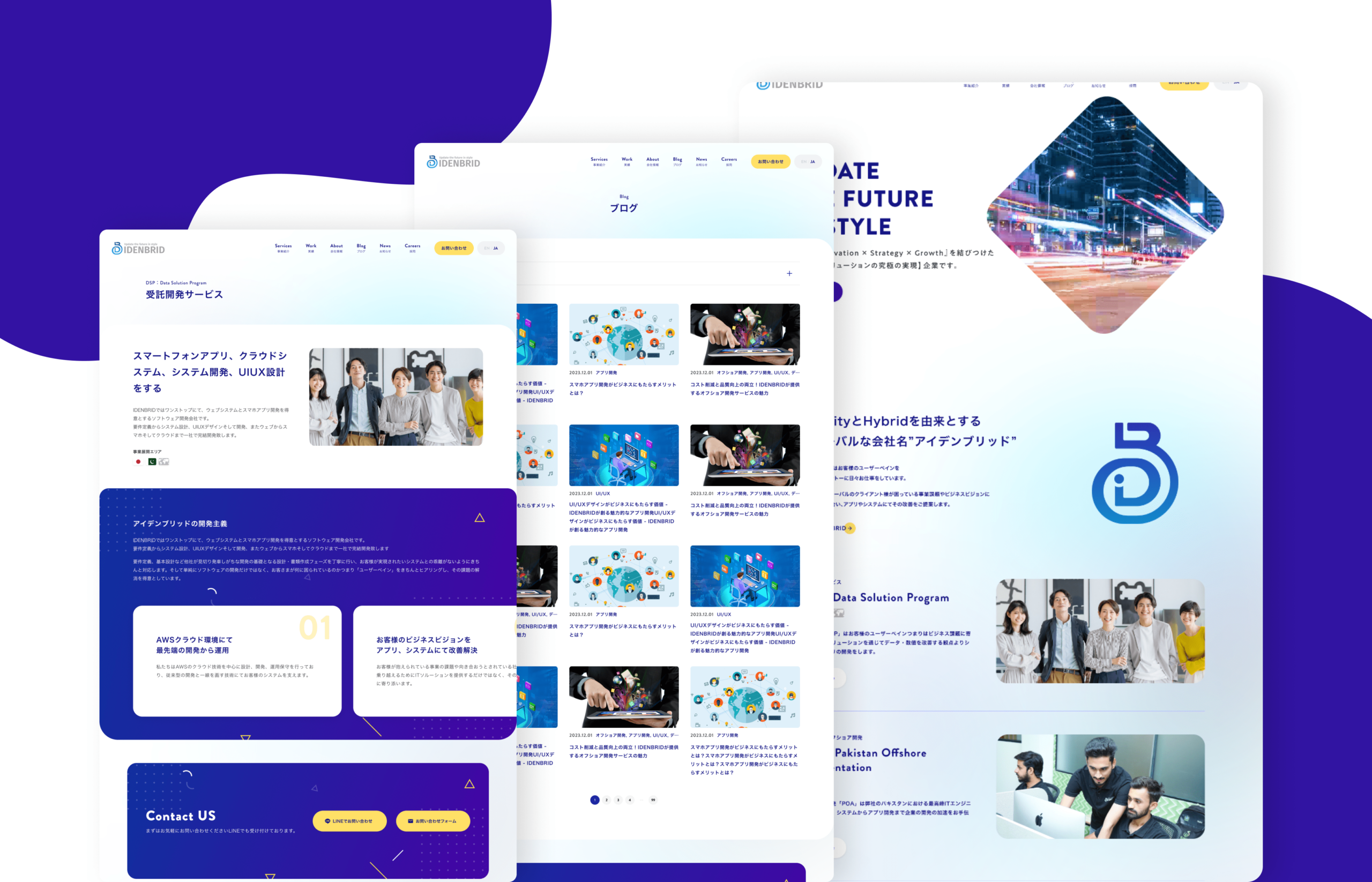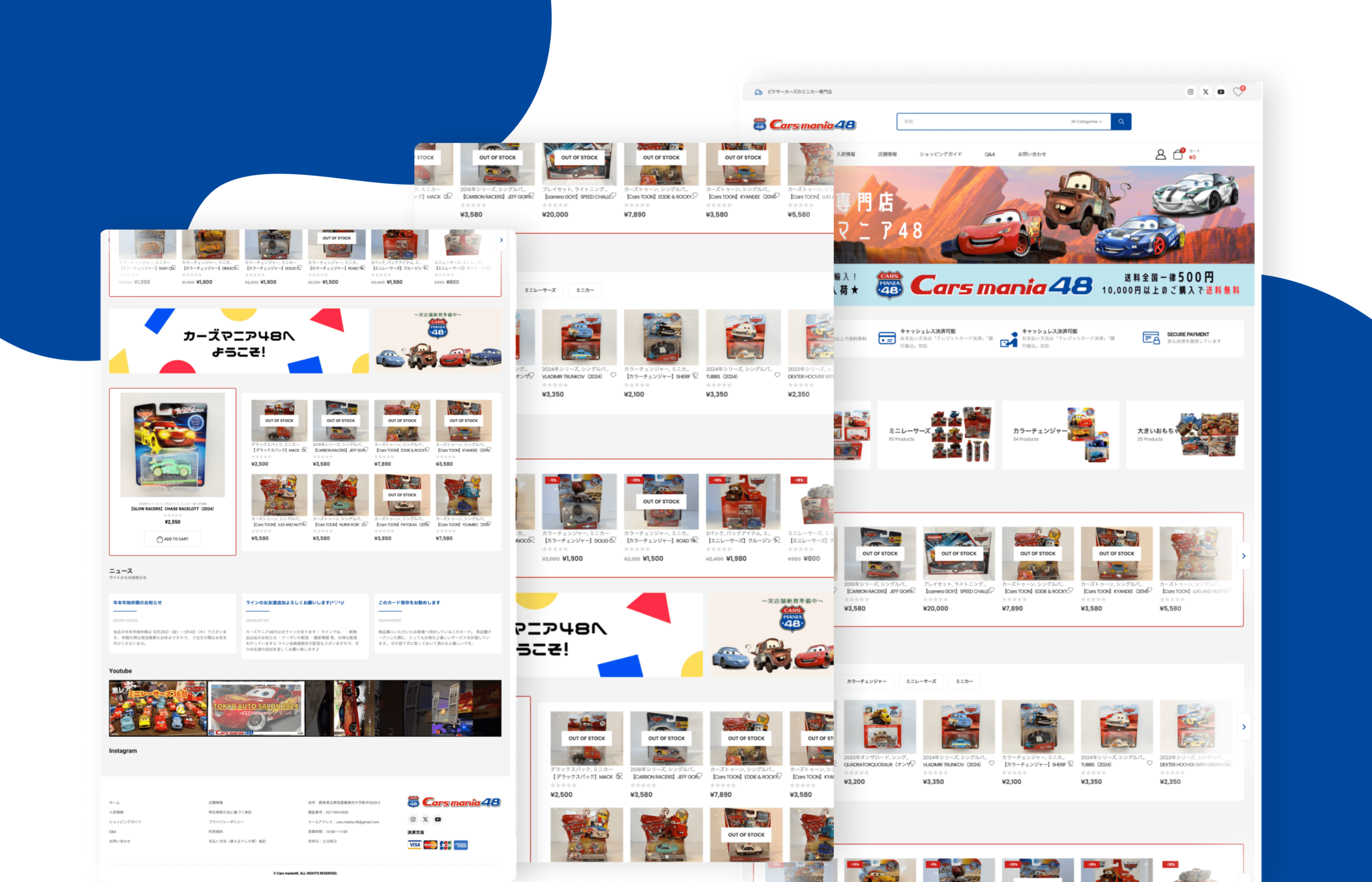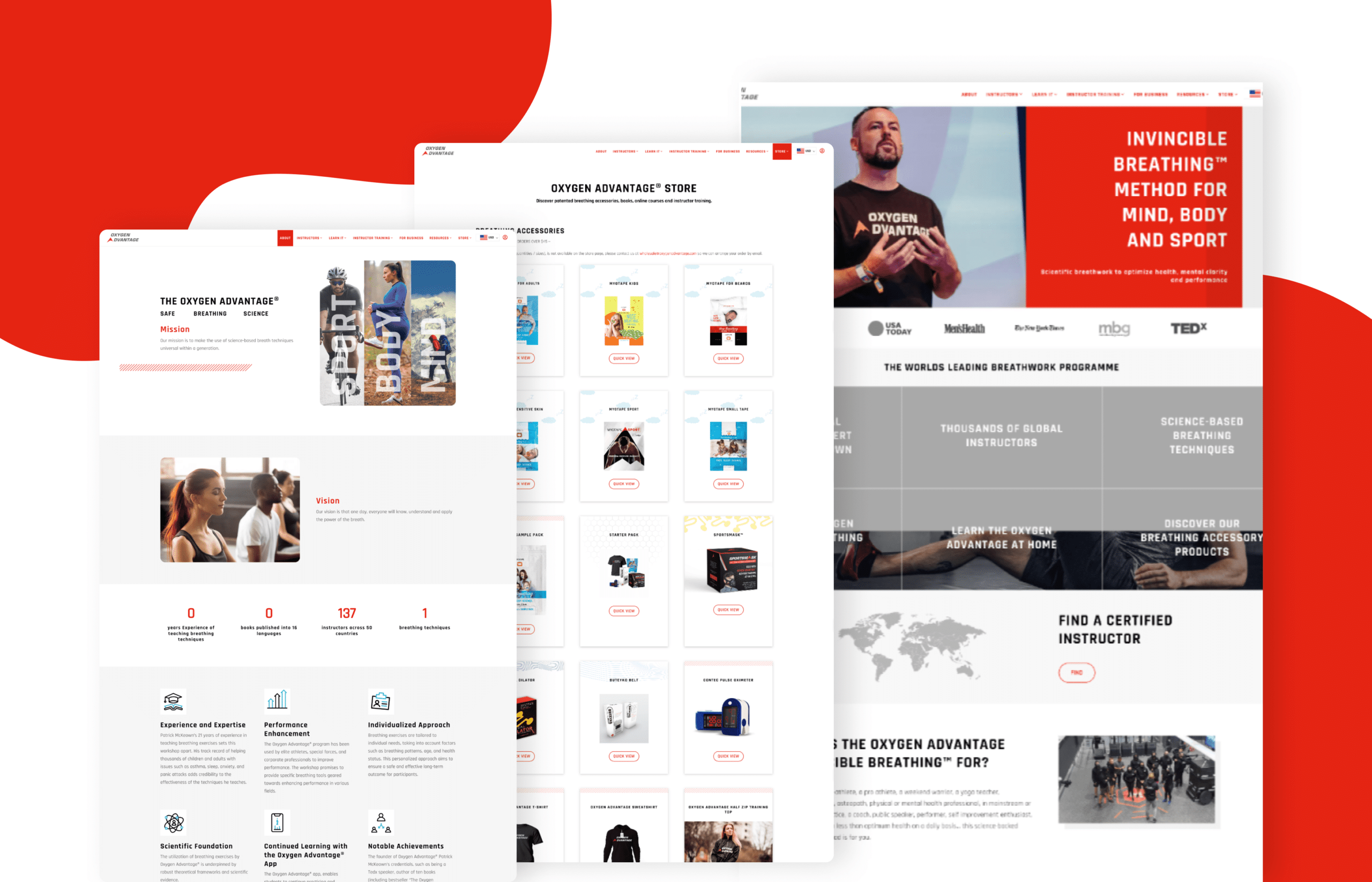
Your website is often the first interaction a potential customer has with your business. Before they call you, visit your office, or place an order, they will almost certainly look you up online — and what they find in those first few seconds shapes their decision.
An outdated website does more than look old: it quietly costs you customers. Visitors judge credibility fast, and a site that feels slow, looks broken on a phone, or seems stuck in the past sends the wrong message. Here are five clear signs your business website needs a redesign in 2026, plus what a good redesign should include.
Think about your own habits as a customer. When you search for a service and land on a website that looks abandoned, loads slowly, or is painful to use on a phone, how long do you stay? Most people give it a few seconds before moving on to the next result. Your potential customers behave exactly the same way when they land on your site.
A large share of web traffic now comes from smartphones. If your website was designed mainly for desktop screens, mobile visitors may be struggling with tiny text, buttons that are hard to tap, menus that do not open properly, or layouts that break on smaller screens.
Most people will not fight their way through a broken mobile experience — they will simply go back to the search results and try a competitor. Search engines also use mobile-first indexing, so the mobile version of your site is what primarily gets evaluated for rankings. Try opening your own site on your phone: if completing a simple task feels awkward, your visitors feel the same way.
People expect pages to load in a couple of seconds. When your pages take much longer — because of oversized images, outdated code, too many plugins, or slow hosting — many visitors leave before the page even finishes loading.
Image compression, modern image formats, and removing unused plugins and scripts are common quick wins. A professional speed audit can usually pinpoint exactly what is slowing a site down, so the redesign fixes the real bottlenecks instead of guessing.
Slow speed hurts twice: it drives visitors away and it can hold back your search rankings, since page speed is a known ranking factor. A redesign is the ideal moment to fix performance properly with optimized images, clean modern code, caching, and reliable hosting — turning a sluggish site into one that feels instant.
Design trends move quickly, and visitors can tell at a glance whether a website is current or stuck in the past. Cluttered layouts, inconsistent fonts and colors, low-quality images, and walls of unformatted text all signal neglect — even when your products or services are excellent.
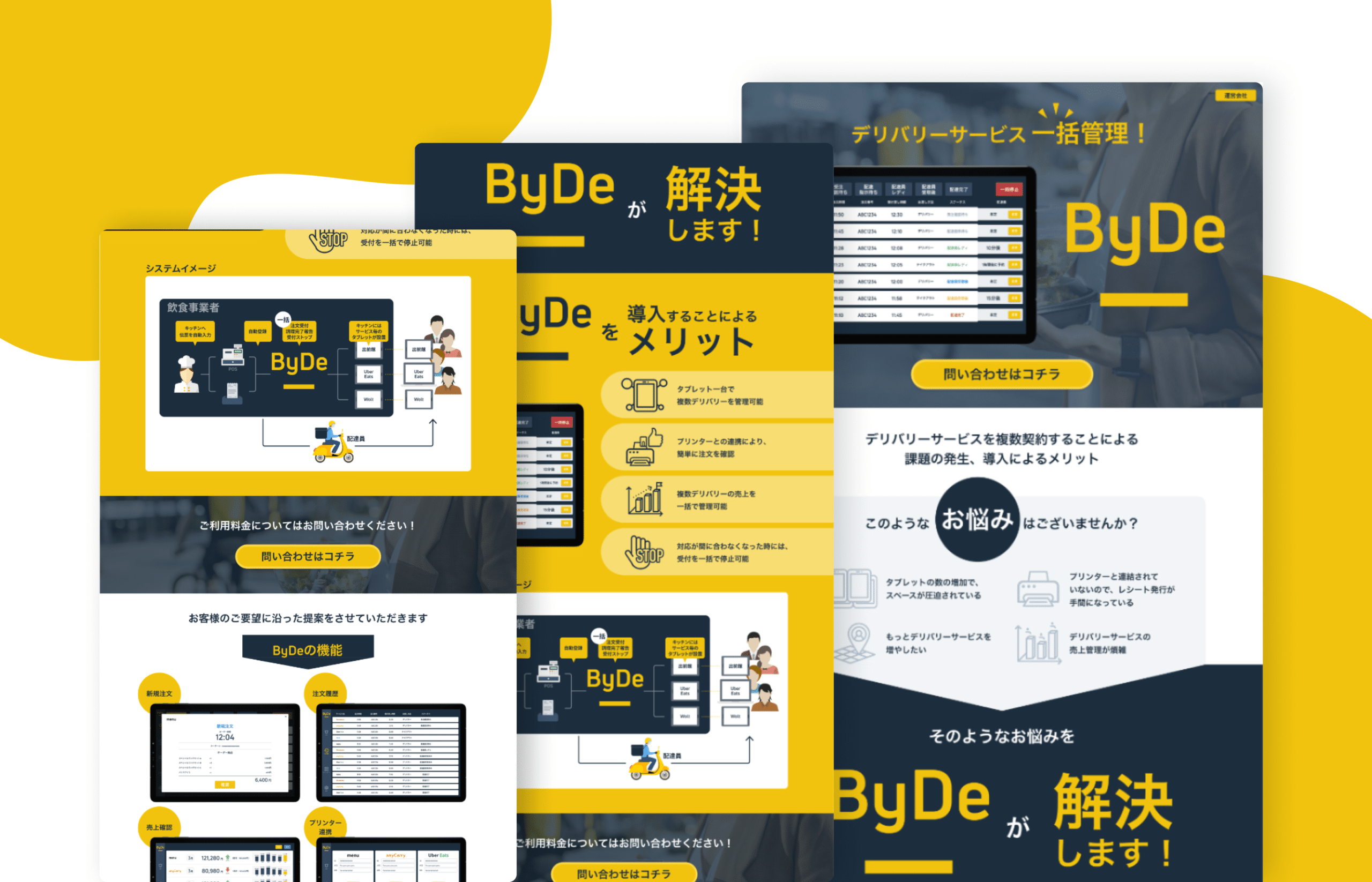
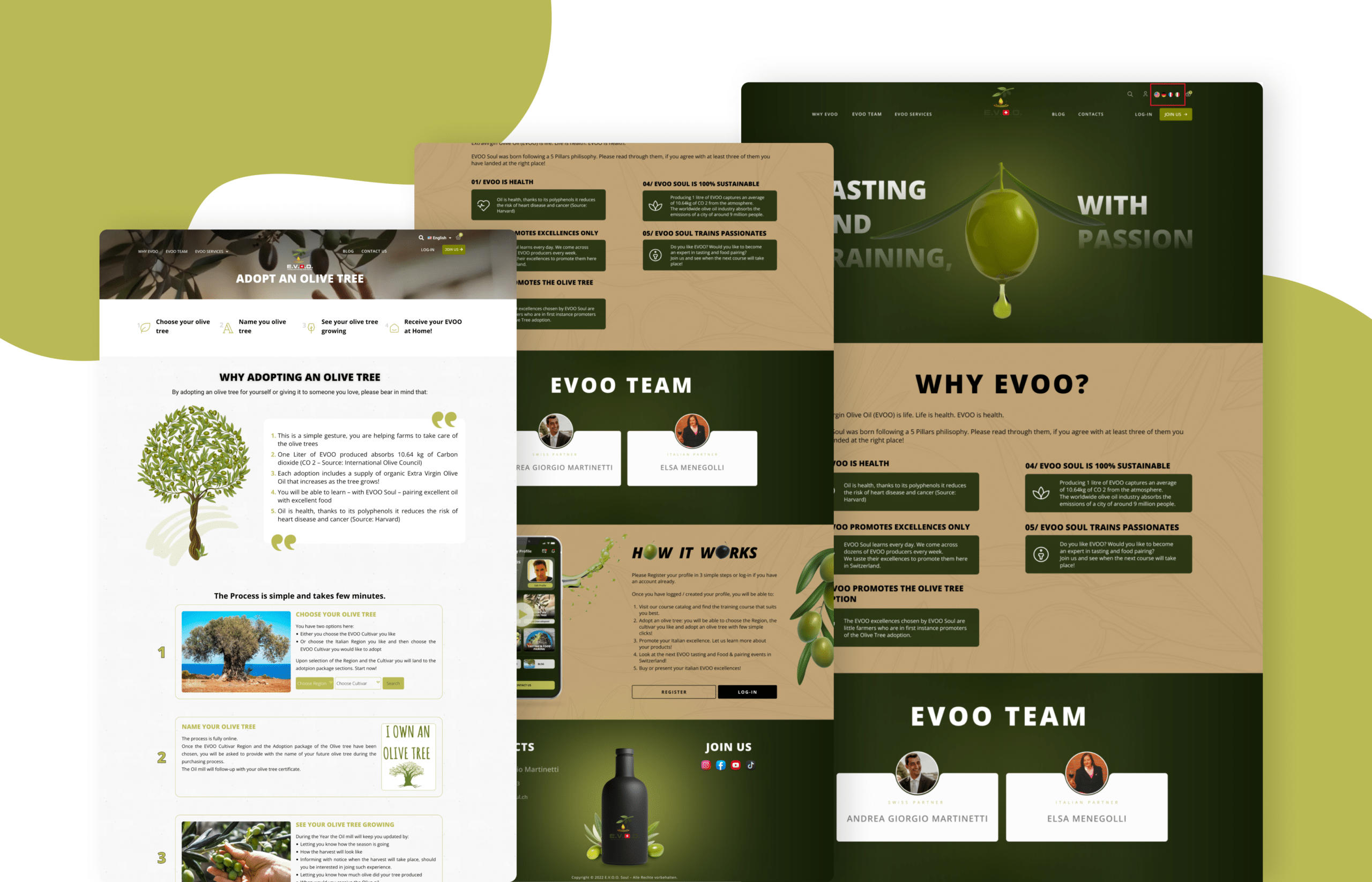
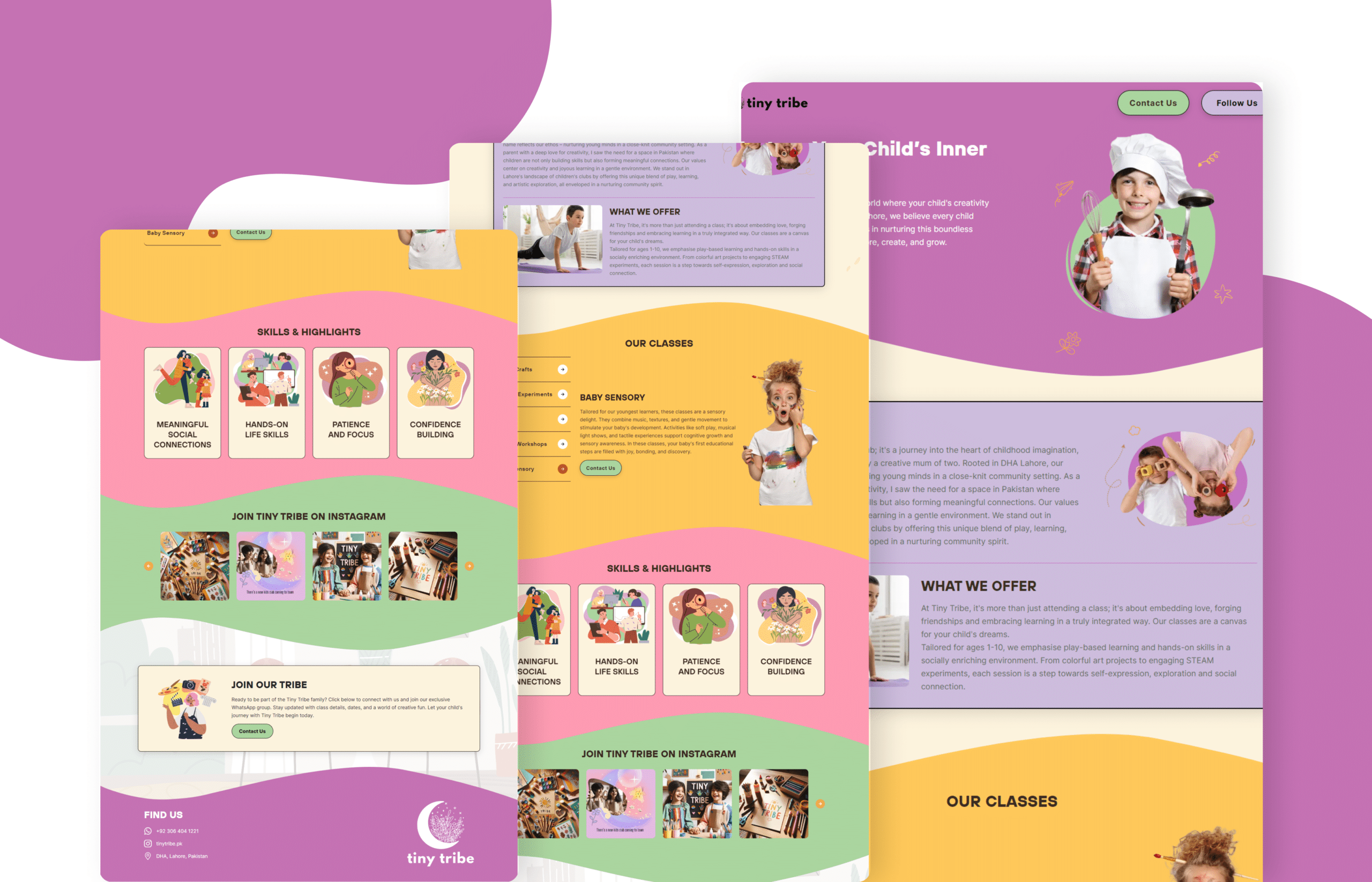
Your website is a reflection of your brand. A clean, modern design builds trust before a single word is read. A good redesign means clear typography, generous spacing, a consistent color scheme, quality imagery, and a layout that guides the eye toward your services, your credibility, and your call to action.
Traffic alone does not grow a business. If people visit your website but rarely call, message, or buy, something in the experience is failing to persuade them — and that is one of the strongest signs you need a redesign.
Common culprits include confusing navigation, contact details buried several clicks deep, weak calls to action, overly long forms, and missing trust signals. A conversion-focused redesign maps the visitor journey: clear headlines, prominent contact buttons, short simple forms, and reassuring content placed where hesitant visitors look for it.
If adding a page or changing a price means calling a developer every time, your website is holding your business back. A modern site should be easy to manage day to day — and user-friendly platforms like WordPress are built exactly for that. Older sites are also often missing features visitors now expect as standard:
Patching these onto an old foundation is rarely worth it. A redesign builds them in from the start.
A successful redesign is more than a fresh coat of paint. Make sure any redesign project covers these fundamentals:
When these come together, your website stops being a static brochure and starts working as a genuine business asset — attracting visitors, building trust, and turning interest into enquiries.
If several of the signs above sound familiar, your website is likely costing you customers right now — but it does not have to stay that way. A thoughtful redesign can turn an outdated site into a fast, modern, persuasive tool for growth.
A redesign is an investment, but keeping an outdated website usually costs more in lost business over time. If several of the signs above sound familiar, now is the right moment to act.
Ready to bring your website up to date? Contact us today to discuss how a professional redesign can help your business make a stronger impression online in 2026 and beyond.